
ASX Small-Cap Miners: Why Liquidity Remains a Problem
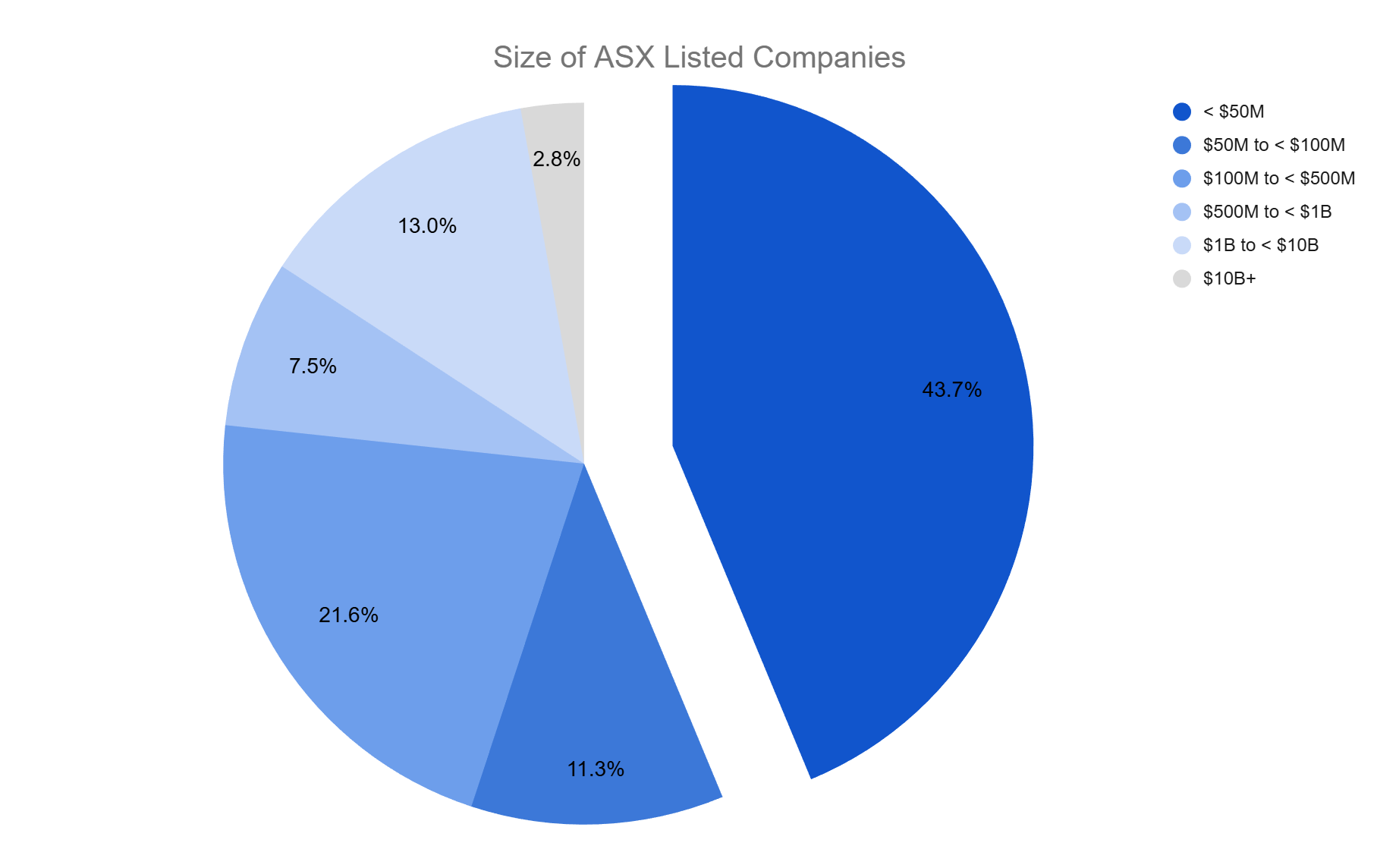
Australia’s ASX is home to around 2,050 listed companies, with mining and resource businesses making up a significant portion of the market. While the exchange remains one of the world’s leading venues for resource listings, ASX small-cap mining stocks continue to struggle with funding and liquidity.
Despite rising headline trading volumes across the ASX, many junior miners trade only a few thousand shares per day. Limited liquidity, wide bid–ask spreads, and low investor awareness continue to restrict capital access for otherwise high-quality resource companies.
For many ASX-listed junior miners, liquidity — not asset quality — has become the primary constraint on growth.
Structural Liquidity Challenges for ASX Small-Cap Mining Stocks
Several ongoing structural issues continue to affect liquidity across the ASX small-cap mining and resources sector.
Low Trading Volume: Most ASX-listed junior mining companies trade at very low daily volumes. Thin order books increase volatility and discourage institutional investors from taking positions.
Limited Analyst Coverage: Small-cap resource companies often have little or no independent analyst coverage. Without ongoing research, investor awareness remains low and valuations can stagnate for long periods.
Capital Concentration in Large Caps: Capital flows on the ASX are heavily concentrated in the ASX 20 and ASX 50. Passive funds, ETFs, and institutional mandates largely bypass small-cap mining stocks.
Rising Delistings: In recent years, more companies have delisted from the ASX than have listed via IPOs. This trend reflects the growing difficulty small-cap companies face in raising capital on public markets.
ASX Market Liquidity: The Reality Behind the Headlines
While overall equity-market activity has increased, benefits have not flowed evenly.
- ~2,050 ASX-listed entities as of September 2025
- ~AU$9.7 billion average daily equity turnover, driven primarily by large-cap stocks
- ~1–2 million equity trades per day, with a small percentage involving junior miners
- ~10 million Australian equity investors, compared with more than 160 million stock-owning adults in the U.S.
- Significant market-cap and liquidity concentration within the ASX 20–50
The result is a structural liquidity gap: headline turnover is rising, but liquidity for ASX small-cap mining stocks remains limited.
Why ASX Junior Miners Are Turning to the U.S. OTC Market
As domestic capital becomes harder to access, many ASX-listed resource companies are exploring the U.S. OTC market as a way to reach global investors.
The OTCQX and OTCQB markets allow ASX companies to:
- Trade in U.S. dollars
- Access a significantly larger retail and institutional investor base
- Improve share liquidity through global participation
- Increase visibility without the cost of a major U.S. exchange listing
More than 65 Australian companies across mining, energy, and healthcare now trade on the OTC market, using it as a complementary listing rather than a replacement for the ASX.
Key Benefits of OTC Cross-Listing for ASX Mining Companies
- Improved liquidity through global investor participation
- Broader shareholder base, reducing reliance on Australian capital alone
- Greater international visibility in North America
- Lower regulatory burden compared with NYSE or NASDAQ listings
For junior miners, OTC cross-listing can materially improve trading activity and long-term capital access.
How We Help ASX Small Caps Access Global Investors
At Cashu Group, we support ASX-listed companies — particularly small-cap mining and resource stocks — by helping them access global investor audiences.
We deliver structured investor-relations and distribution campaigns designed to:
- Increase visibility across international investment platforms
- Amplify key announcements and project milestones
- Engage retail and professional investors at scale
- Maintain compliance across Australian and U.S. markets
Across 70+ campaigns, we’ve worked with listed companies to support liquidity, investor engagement, and global market awareness — without hype or promotional excess.
Final Takeaway
ASX small-cap mining stocks continue to face structural liquidity challenges, even as overall market turnover increases. Limited domestic investor depth, capital concentration in large caps, and declining coverage have made it difficult for junior miners to fund growth locally.
For many, the solution is not abandoning the ASX — but expanding beyond it. The U.S. OTC market, combined with modern investor-relations strategies, offers ASX-listed resource companies a practical path to deeper liquidity, broader ownership, and sustained market engagement.