ASX Release — 30 July 2026
Victory Metals Limited (ASX: VTM) has announced the results of detailed TESCAN Integrated Mineral Analyser (TIMA) characterisation of mineral concentrate produced from its 100%-owned North Stanmore Heavy Rare Earth Project near Cue, Western Australia.
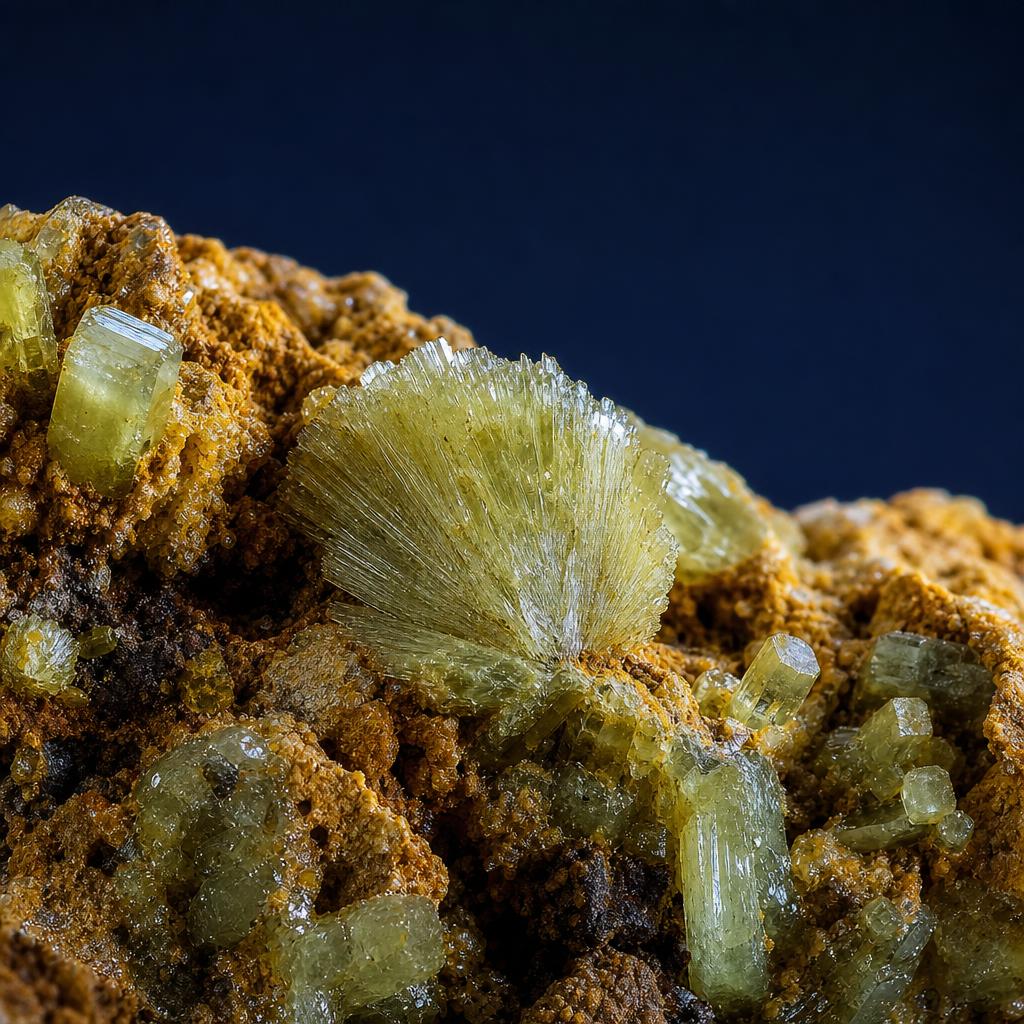
The study, carried out by ALS Metallurgy on concentrate from Victory's pilot plant, classified 5.93 mass% of the analysed concentrate as secondary rare earth phosphate groups — 2.11% churchite and 3.82% rhabdophane — and found these groups host most of the target rare earth value.
Highlights
- Defence-critical heavy rare earths: 86% of dysprosium (Dy), 82% of terbium (Tb) and 96% of yttrium (Y) report to the combined churchite, rhabdophane and associated interphase secondary phosphate groups.
- Key magnet light rare earths: 88% of praseodymium (Pr) and 91% of neodymium (Nd) report to the same combined secondary phosphate system.
- Dual host mineralogy: churchite & similar is the largest individual host of Dy and Tb, while rhabdophane & similar is the largest individual host of Nd and Pr.
- Broad strategic exposure across five critical defence and permanent-magnet rare earths — Dy, Tb, Y, Nd and Pr — rather than reliance on a single commodity.
- Limited primary rare earth minerals: monazite and xenotime groups together comprise only 1.13 mass% of the concentrate.
- Processing differentiation: unlike primary monazite/xenotime-dominated systems that commonly require mineral cracking before leaching, North Stanmore's rare earth value is predominantly associated with hydrated secondary phosphates formed through natural weathering.
CEO and Executive Director Brendan Clark said the mineralogy "supports our flotation led beneficiation and selective leaching strategy, subject to ongoing testwork, and provides a strong technical platform to advance the Pre Feasibility Study and position North Stanmore as a potential long-term supplier to diversified Western rare earth supply chains."